
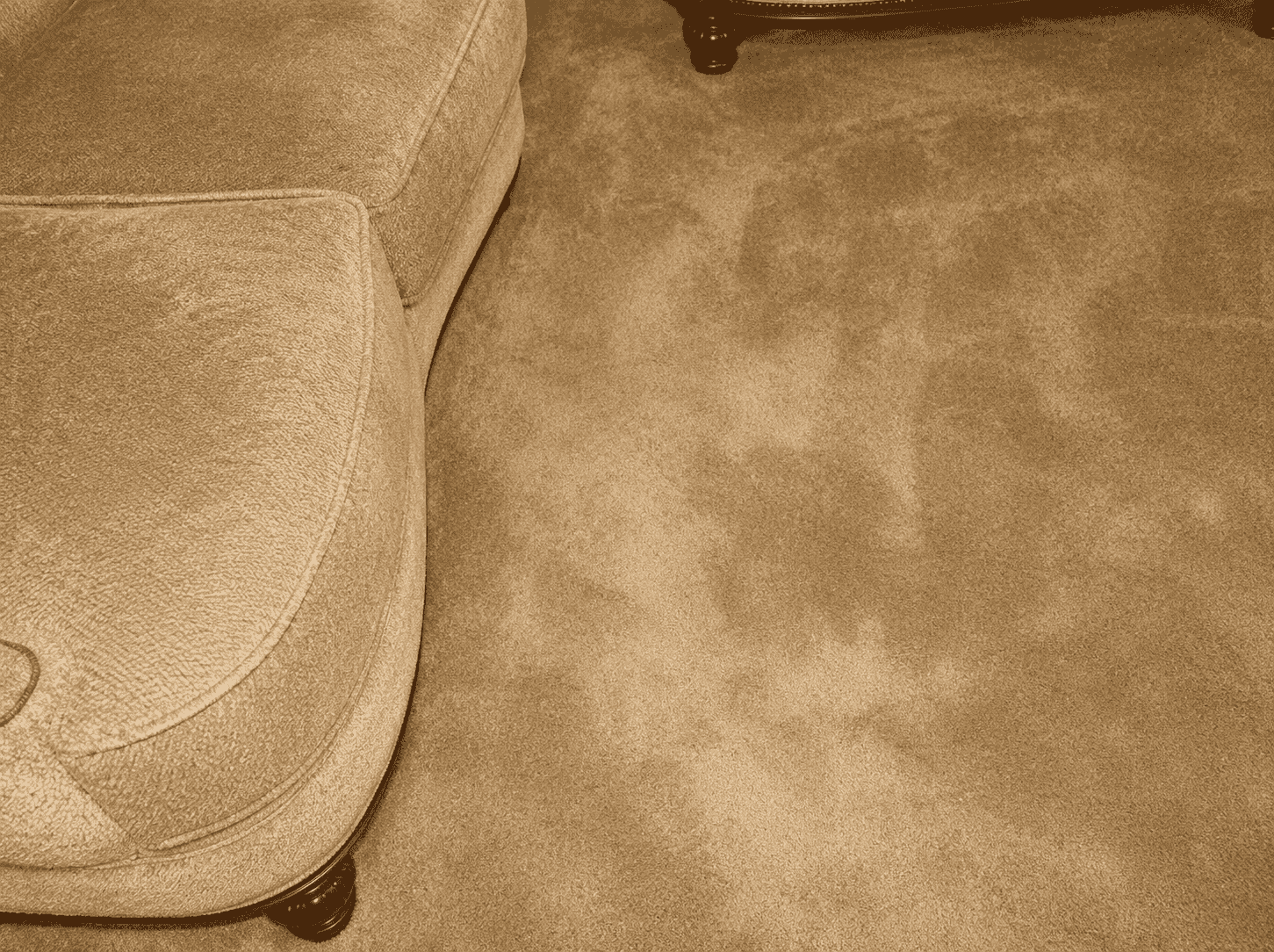
A newly installed carpet can sometimes appear lighter from one side of the room and darker from another. In other cases, footprints, vacuum lines or irregular shaded areas may become visible even though the carpet colour itself has not changed.
It is understandable to wonder whether the carpet has been installed incorrectly or whether there is a problem with the dye.
In many cases, however, what you are seeing is the way light interacts with the direction of the carpet pile, rather than an actual change in colour.
Understanding the difference between normal shading and more noticeable pile reversal can help determine whether the appearance is simply a characteristic of the carpet or something that deserves closer assessment.
Carpet pile consists of thousands of fibres or yarn tufts that sit above the backing.
When these fibres lean in one direction, light reflects from their surface differently than when they are viewed from the opposite direction. The same carpet can therefore appear lighter when viewed one way and darker when viewed from another.
The Carpet and Rug Institute explains that bends and changes in pile direction can create visible colour variations, particularly in smooth or plush carpet constructions. This is an optical effect and does not necessarily indicate a difference in the actual carpet colour.
This is also why vacuuming can temporarily create light and dark lines across a carpet.
Yes.
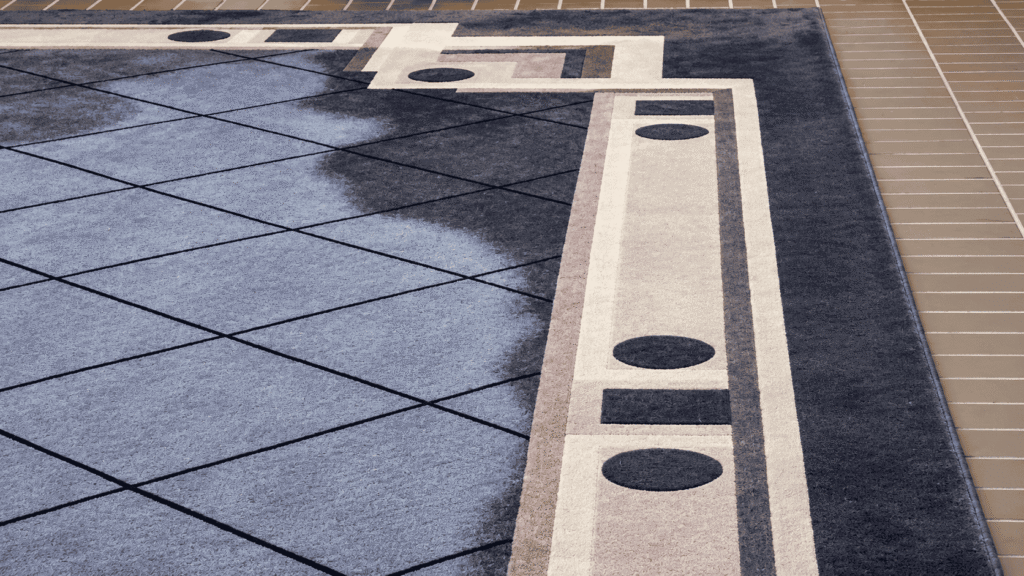
Natural daylight entering through windows, artificial lighting, the direction of the light source and even where you are standing can influence how the carpet appears.
A sample viewed under showroom lighting may therefore look slightly different once it is installed in the project environment.
The Carpet and Rug Institute recommends reviewing carpet samples under the lighting conditions of the actual space because colour perception can change with different light sources.
For larger projects, reviewing an installation sample or mock-up under the intended lighting can provide a better indication of the finished appearance.
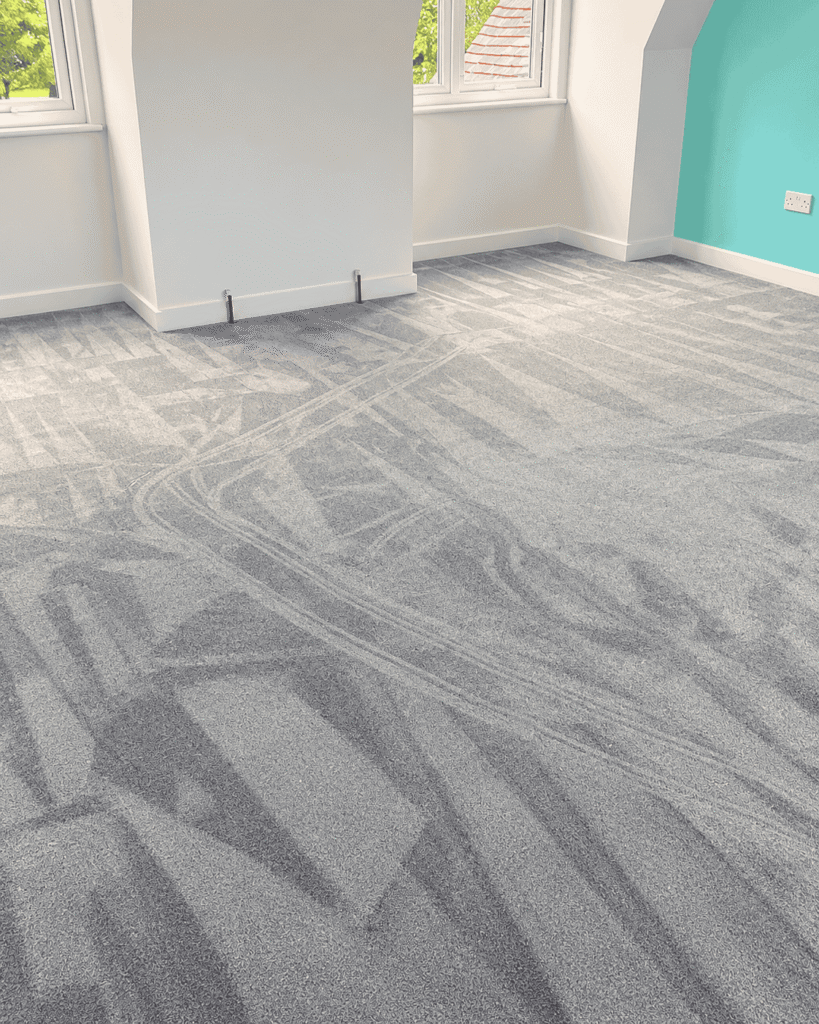
Shading describes an apparent change in colour caused by the pile lying in different directions.
It can be more noticeable on cut-pile, velvet and smooth-surfaced carpets, where light reflects strongly from the yarn. Patterned or more textured constructions may make these variations less obvious.
Footprints and vacuum marks are common examples. When the pile is moved again, the appearance may change.
Normal directional shading should therefore be assessed differently from fading, staining or actual colour variation.
Not always.
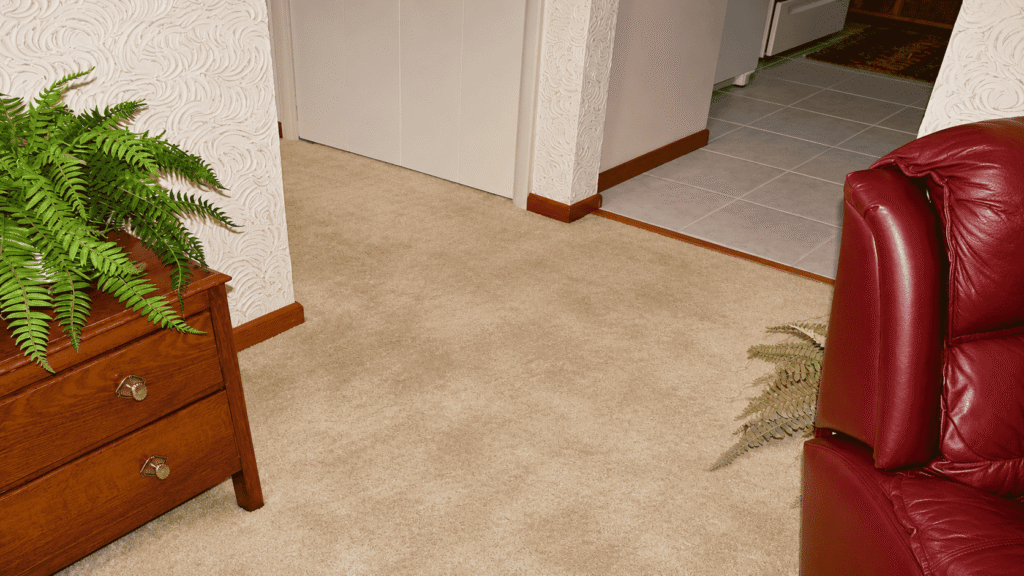
The term pooling is commonly used for a more irregular form of pile reversal where sections of carpet begin to appear noticeably lighter or darker because the pile has changed direction.
These areas may resemble water marks, even though water is not necessarily involved.
WoolSafe describes pile reversal as an optical effect caused by local changes in pile direction and notes that traffic patterns or floor conditions may contribute. The Carpet and Rug Institute also notes that pile reversal can sometimes be difficult to predict and, once established, may be permanent.
This distinction matters because pooling is not simply a cleaning mark or a difference in dye colour.
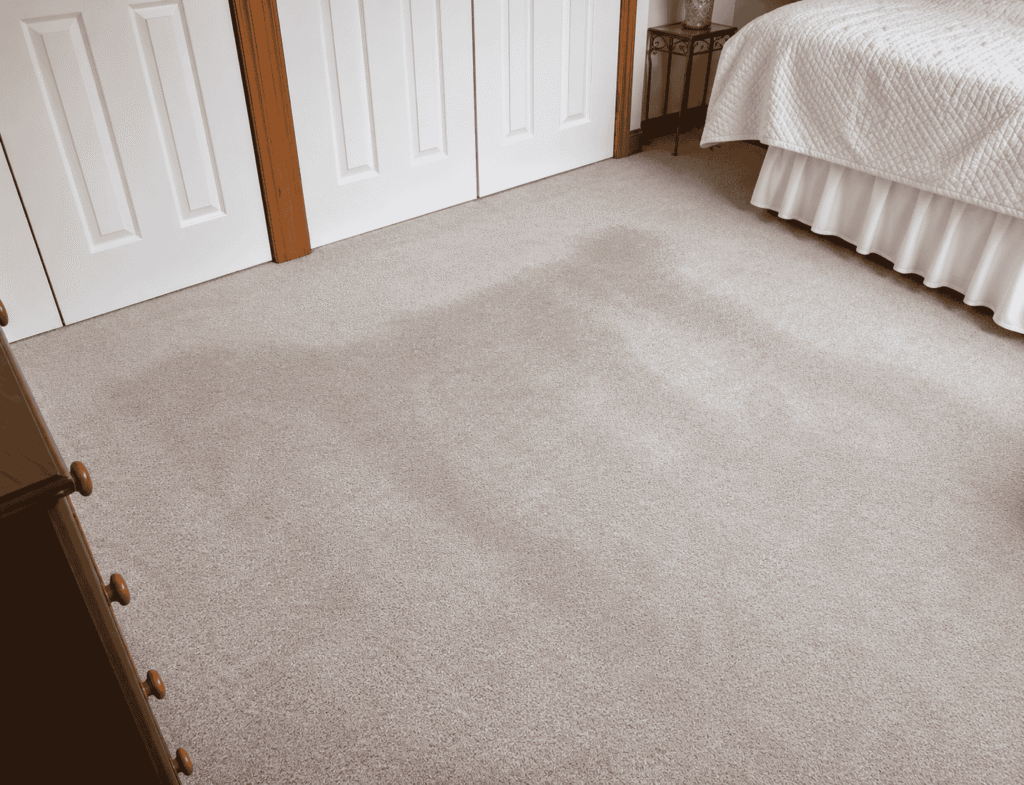
A carpet that looks different only when viewed from opposite directions may simply be displaying normal pile shading.
Closer assessment may be useful if the change appears suddenly, forms irregular permanent areas, is accompanied by pile distortion or flattening, or if there is concern about genuine colour change or installation conditions.
Before deciding that the carpet is defective, it is important to identify whether the difference comes from light reflection, pile direction, soiling, wear or an actual change in colour.
View the affected area from several directions and under both natural and artificial light. Gently vacuum the carpet in different directions and observe whether the appearance changes.
Avoid aggressive brushing or attempting to correct persistent pile reversal without first understanding the cause.
At The Floorist, we understand that changes in the appearance of a newly installed carpet can raise concerns. Our team can review photographs, carpet construction, lighting conditions, and the affected area to help distinguish normal pile behaviour from issues that require further assessment.
If you notice unexpected shading or colour variation in your carpet, speak to The Floorist team for product-specific guidance.
Adding {{itemName}} to cart
Added {{itemName}} to cart