

Finding fluff on a new wool carpet or loose fibres in your vacuum can be unsettling. It is understandable to wonder whether your rug is wearing out or whether something went wrong during manufacture.
The reassuring answer is that normal initial shedding is a recognised characteristic of wool carpets and rugs, including hand-tufted designs. On its own, it does not demonstrate poor quality or a manufacturing defect. Understanding what shedding is, how it changes over time and how to care for the pile can make those first months much less worrying.
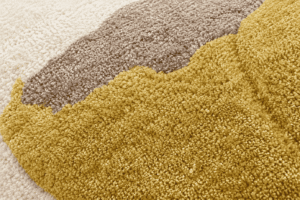
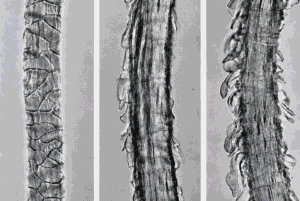
Wool yarn contains individual fibres. During spinning and carpet production, some short, loose fibres remain within the pile. Everyday movement and vacuuming bring these fibres to the surface, where they appear as fluff.
The WoolSafe Organisation explains that this “shedding” or “fluffing” results from how yarn is spun and carpets are made. Its consumer guide calls it “a natural phenomenon which will stop eventually,” particularly noting fibre loss in new cut-pile and velour carpets. WoolSafe consumer guide, page 8
Wools of New Zealand similarly describes shedding as a natural characteristic of wool carpets. Its care guide explains that rubbing and foot traffic release excess short fibres, and that normal shedding does not compromise the carpet’s structural integrity. Wools of New Zealand care guide, page 1
This distinction matters: loose surface fluff is not the same as whole tufts coming away or the pile developing bare patches.
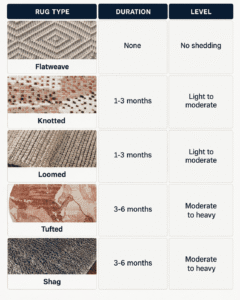
There is no single deadline for every carpet. Wools of New Zealand states that most carpets stop shedding within three to four months, depending on foot traffic and vacuuming frequency. Wools of New Zealand
For a directly relevant hand-tufted example, West Elm’s care information for its Brook rug, with a 100% wool pile, says shedding typically diminishes with regular vacuuming within three to six months. West Elm product and care information
These sources support expecting a gradual reduction over the early months. Three to six months is a useful general guide for some hand-tufted wool rugs, rather than a guarantee that every rug will stop shedding completely by a particular date.
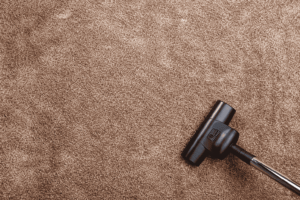
Gentle, consistent care is the most useful response. The Carpet and Rug Institute also identifies loose-fibre shedding as normal and advises that it should subside with regular vacuuming. Carpet and Rug Institute
The aim is to remove fibres that have already become loose, without aggressively working the surface. Always follow the care instructions supplied with your particular carpet, especially where wool is combined with silk or other fibres.
Normal initial shedding should be assessed separately from visible damage. Please contact us if you notice thinning patches, whole tufts detaching, backing separation, or heavy fibre loss that is not easing with appropriate care.
Send photographs of the affected area and let us know the carpet’s age and your vacuum type. We can review the concern and advise whether an inspection is appropriate.
At The Floorist, we are committed to creating exceptional carpets through carefully selected materials, skilled craftsmanship and close attention to detail. We understand that choosing a hand-tufted wool carpet is an investment, and we want you to enjoy it with confidence. Normal initial shedding is part of how many wool carpets settle into use and does not, on its own, diminish their quality. Our commitment to you continues long after delivery: whenever you need care advice or reassurance, our team is here to listen, help and stand behind the products we supply.
Adding {{itemName}} to cart
Added {{itemName}} to cart