
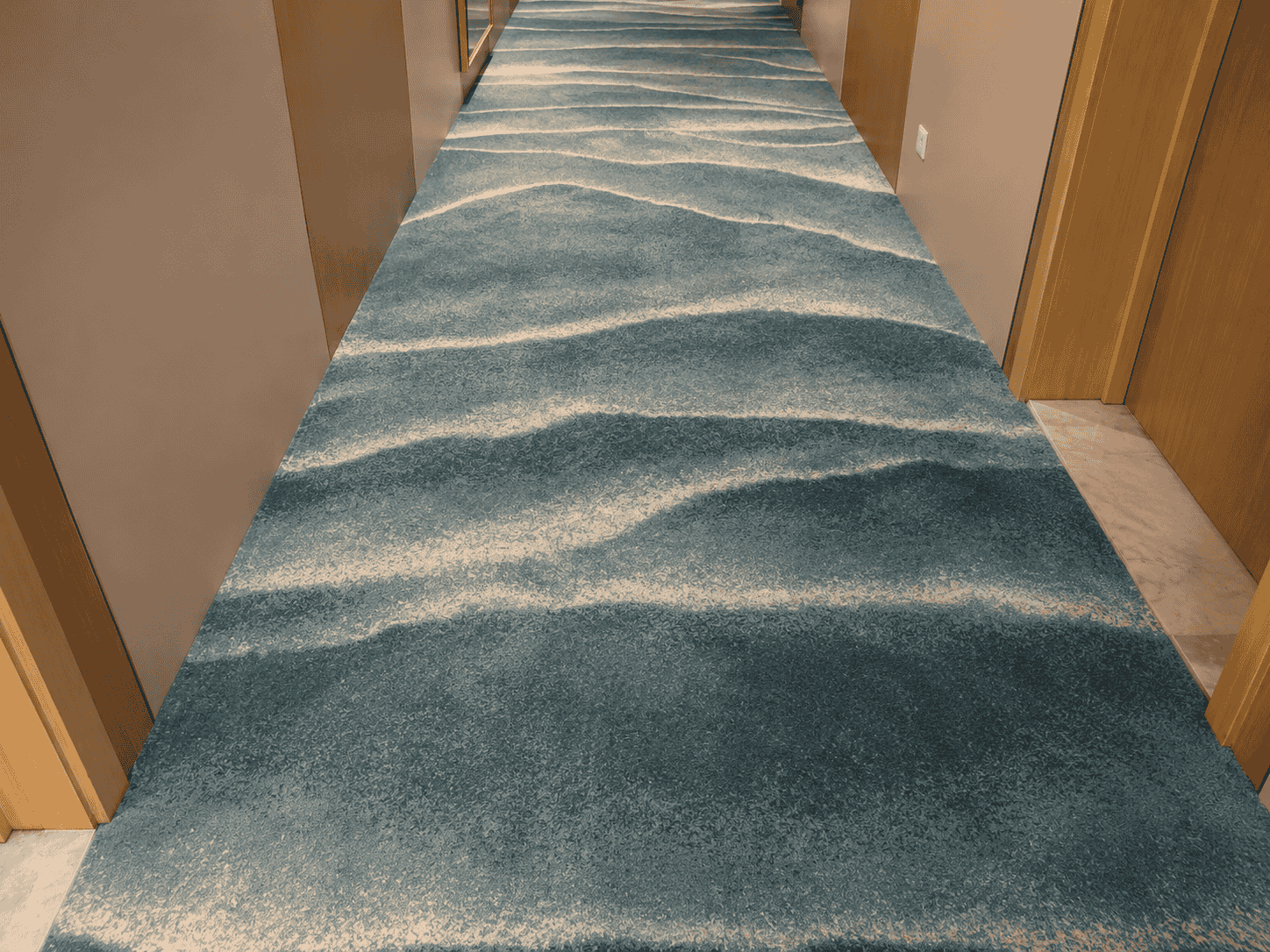
Woven carpets play an important role in shaping the aesthetics, comfort and functionality of hospitality interiors. From lobbies and guest rooms to restaurants, corridors and grand ballrooms, carpets contribute to the overall ambience while meeting different demands for comfort and wear.
For hospitality operators, flooring is an investment in guest experience and long term performance. Woven carpets offer a combination of craftsmanship, design versatility and durability that makes them well suited to these spaces.
Woven carpets are manufactured using different weaving techniques. The choice of construction influences the pattern, surface texture and performance of the finished carpet.
Known for their intricate patterns and colour flexibility, Axminster carpets are particularly popular in hotels, ballrooms and other hospitality spaces. They allow designers to incorporate detailed motifs, decorative borders and customised colour combinations.
Wilton weave carpets are produced on specialised looms, where the pile yarns are woven into the carpet backing. In mosques, a contrasting line in the carpet design can mark each prayer row.
Wire Wilton is a form of Wilton weaving in which the pile yarns are raised over wires during production. Depending on the wires used, the carpet can have cut pile, loop pile or a combination of both, creating different textures and surface effects.
Characterised by their flat construction and absence of raised pile, flatweave carpets offer a distinctive texture and understated appearance. They suit selected hospitality interiors where a flatter finish is desired.
The term handwoven describes how a carpet is made. Valued for their craftsmanship and individual detailing, handwoven carpets and rugs can bring character to boutique hotels, lounges and feature areas.
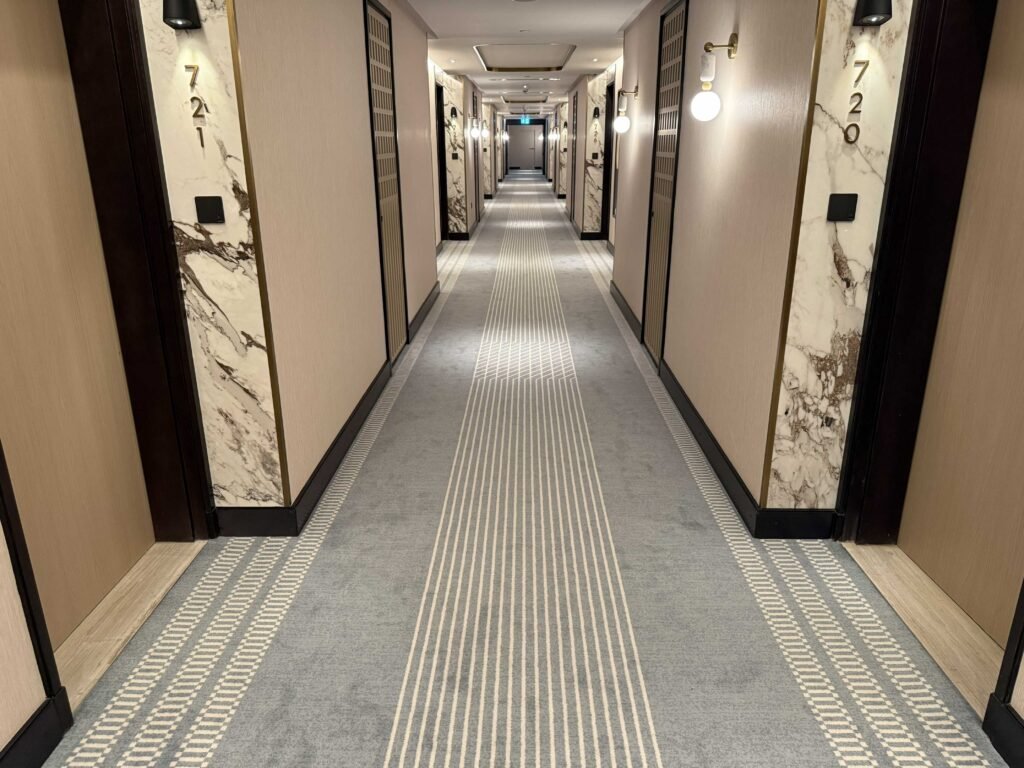
In Axminster weaving, the loom selects an individually coloured yarn for each tuft and places it where the pattern requires it. This precision allows a fine outline, a change of colour or a detailed motif to be woven directly into the carpet.
For hospitality designers, this offers several advantages.
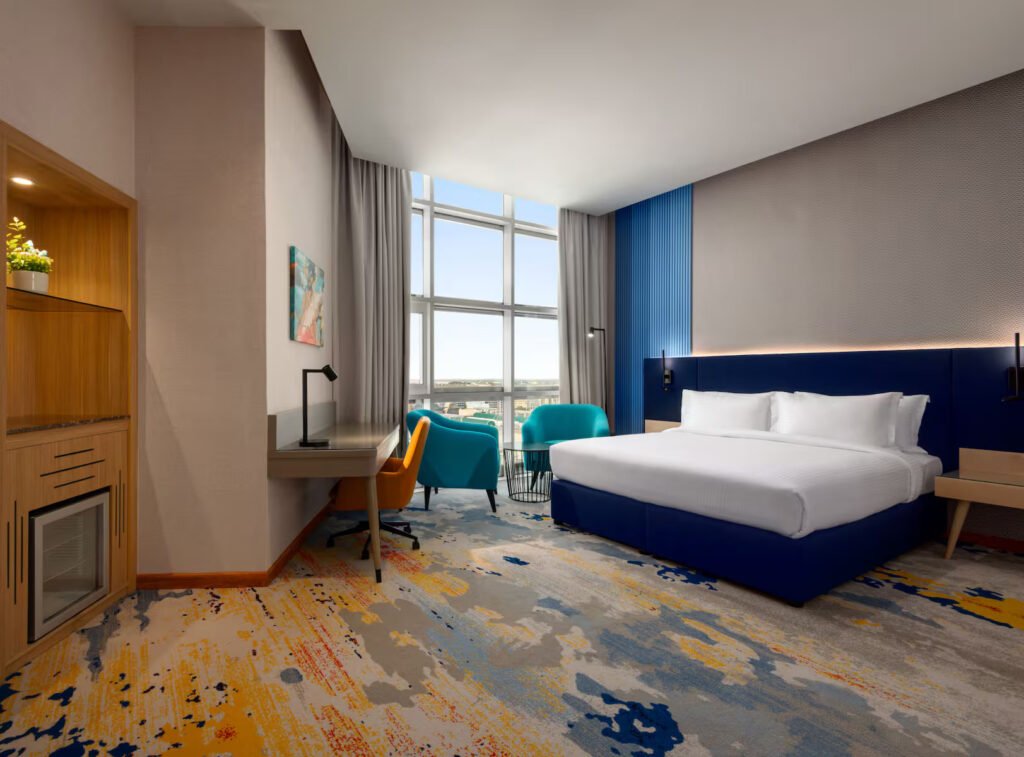
Beyond appearance and durability, carpets contribute to how a hospitality space feels and sounds. In guest rooms and suites, the softness of the pile is particularly noticeable beside the bed. In corridors, a carpeted surface can soften footsteps outside guest room doors.
In restaurants and lounges, carpet can also help absorb sound. Where a project has a specific acoustic target, the design team should review the test data for the proposed carpet and installation system.
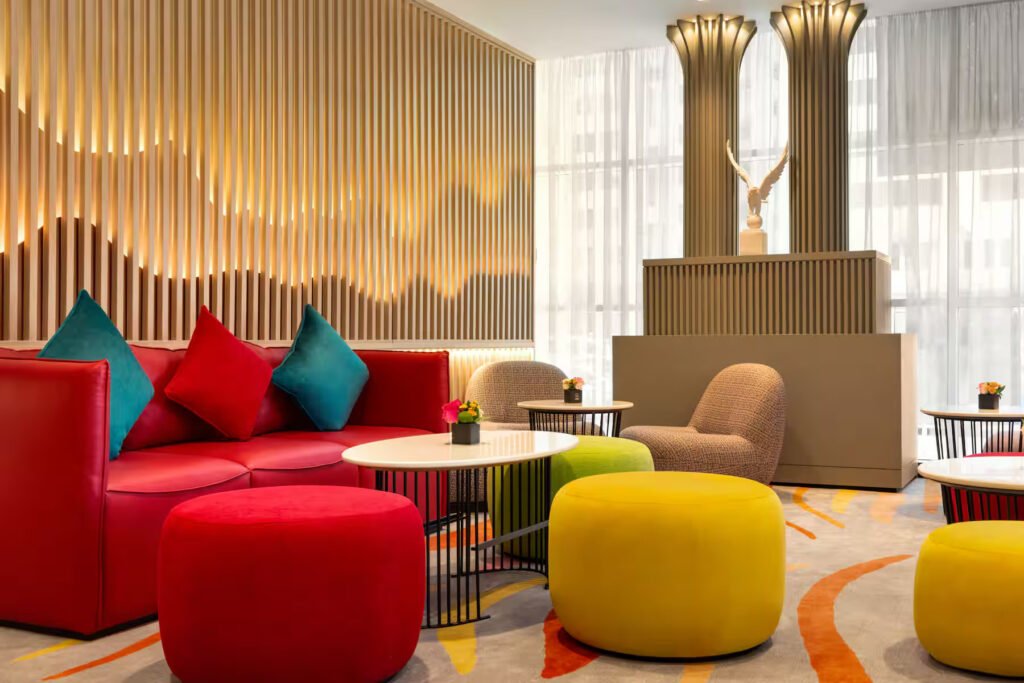
For hospitality operators, the cost of a carpet extends beyond its purchase price. Its expected service life, maintenance requirements and the disruption involved in replacing it all contribute to long term value.
Selecting a construction suited to the level of traffic can help avoid premature replacement. A practical cleaning programme also helps preserve the carpet’s appearance, particularly in busy areas such as lift lobbies and restaurant entrances.
Where responsibly sourced fibres or recycled materials form part of the project brief, the design team should verify these details for the specific carpet being considered.
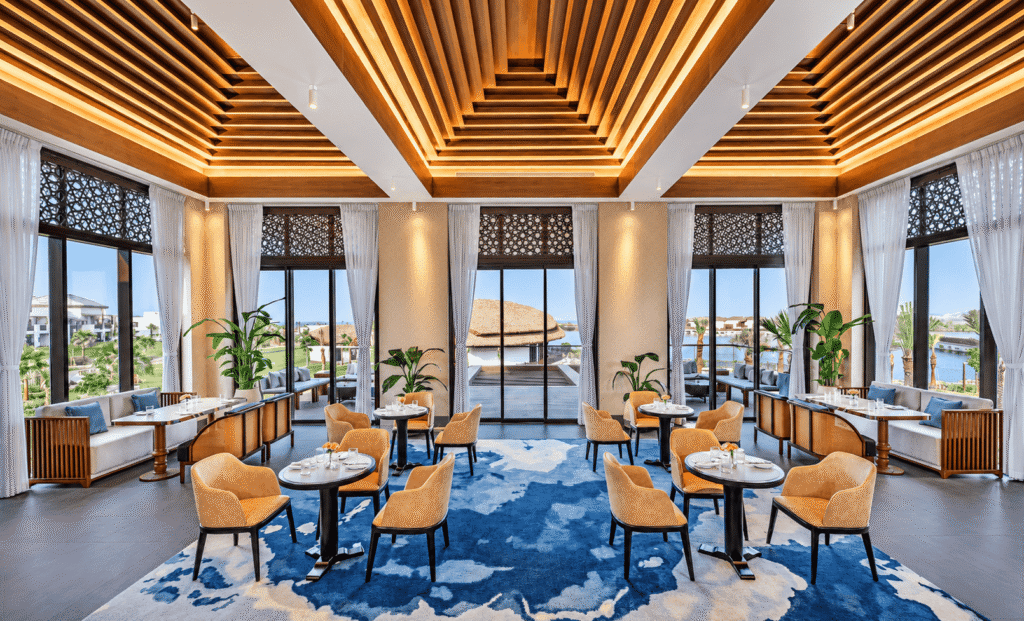
One of the key advantages of Axminster carpets is their versatility across hospitality environments. Their bespoke design capabilities allow each space to maintain its own character while complementing the overall interior concept.
Woven carpets influence the appearance, comfort and everyday use of hospitality interiors. A ballroom offers room for an intricate Axminster motif, while a corridor calls for a pattern that follows changes in direction and a construction that can withstand regular traffic.
Considering the pattern, construction and maintenance together helps designers and operators choose a carpet that suits both the character of the property and the people who use it.
Contact The Floorist to discuss woven carpet designs and specifications for your hospitality project.
Adding {{itemName}} to cart
Added {{itemName}} to cart